Explore | Collect | Design


James Southard
| Previous Artist | Next Artist |
James Southard (1921-2007)

-
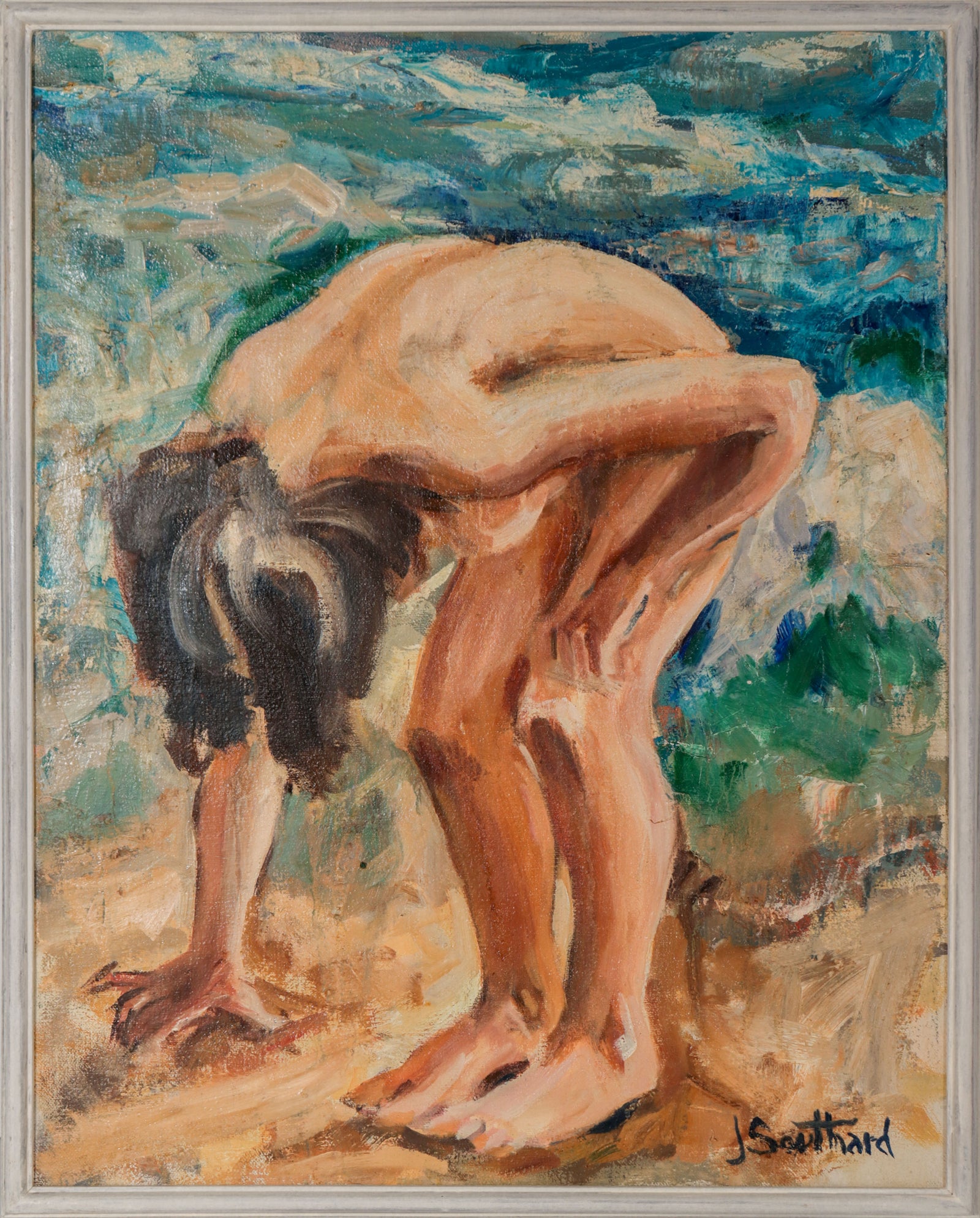
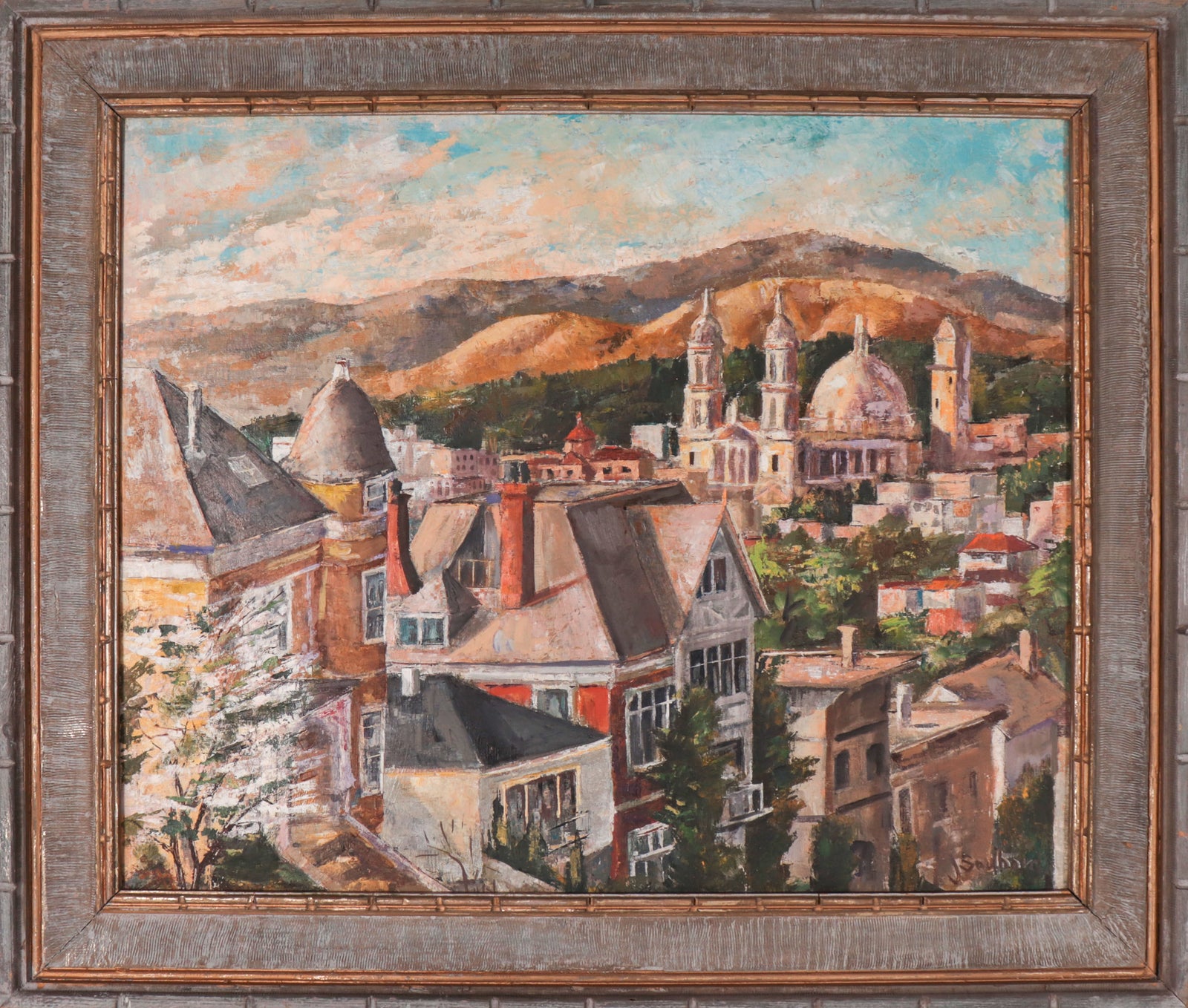
James Bruce Southard (1921–2007) was a New York-born painter, printmaker, and master draftsman whose work brought the grand traditions of European Renaissance painting into dialogue with the light and atmosphere of modern American Impressionism. A lifelong devotee of the human figure, Southard drew inspiration from the monumental compositions of Peter Paul Rubens, the luminous paintings of the Impressionists, and Paul Cézanne's revolutionary exploration of the solidity of form. After relocating to California in the 1950s, he developed a distinctive visual language that transformed the beaches, parks, and everyday pleasures of Northern California into timeless tableaus of human experience.

Born, raised, and educated in New York City, Southard studied at the National Academy of Design, the Beaux-Arts Institute of Design, and the Art Students League of New York. His teachers included the distinguished American figurative painters Reginald Marsh, Robert Brackman, and Kenneth Hayes Miller. He was a frequent visitor to the Metropolitan Museum of Art, where he studied the Old Masters, developing a particular admiration for the Italian Renaissance and the paintings of Rubens. He also studied the luminous work of Spanish painter Joaquín Sorolla. Figure drawing became the foundation of his artistic practice, and despite the growing dominance of abstraction in postwar New York, Southard remained clear on his commitment to representational painting.
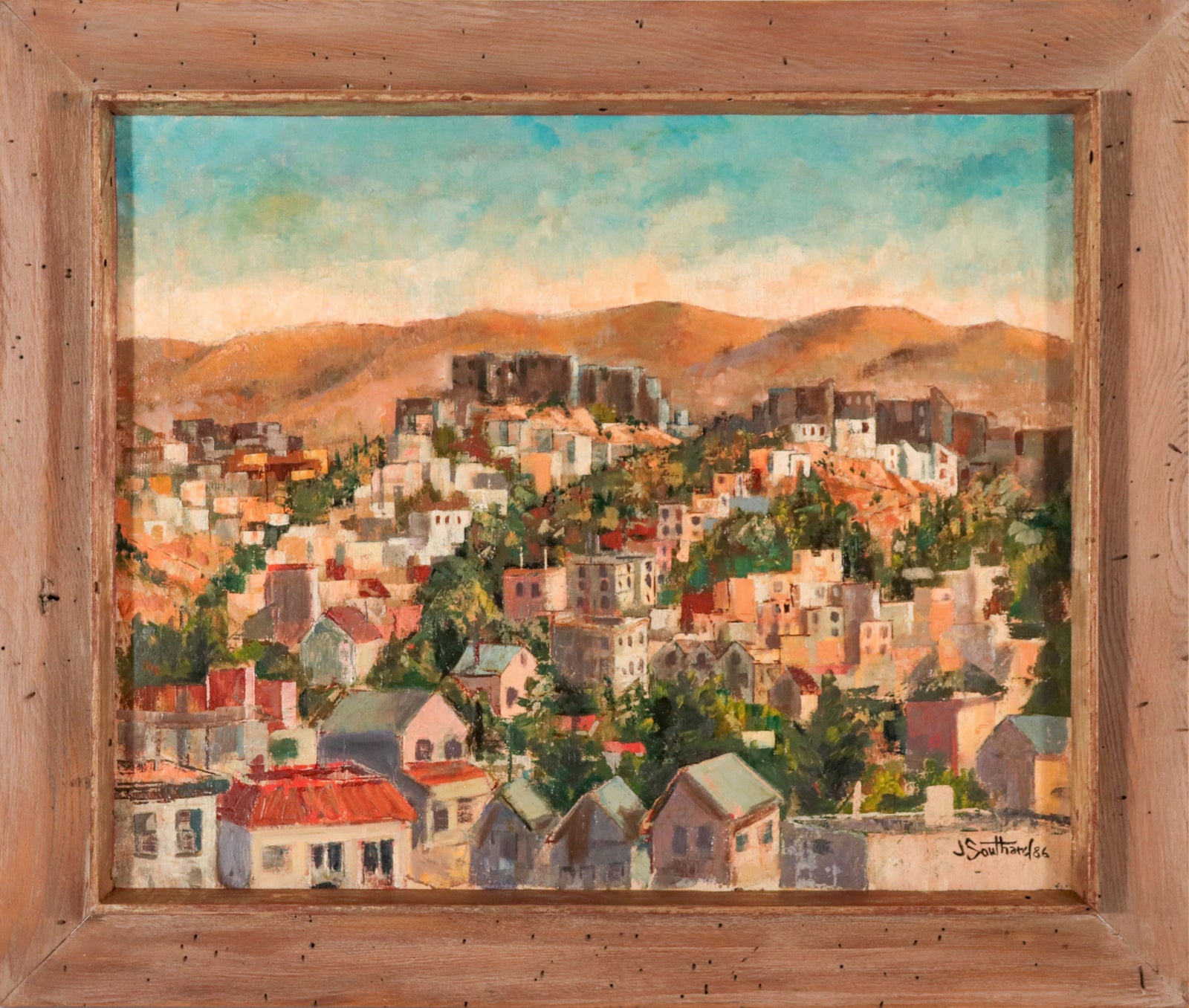
In the early 1950s, Southard moved to Mexico City, where he studied at the Escuela de Pintura y Escultura under Federico Cantú and Jesús Guerrero Galván. The powerful figurative traditions of Mexican muralism made a lasting impression on him. During his years in Mexico, he exhibited extensively, receiving features and reviews in major newspapers and art publications. This period expanded his artistic vocabulary, bringing together the classical traditions of his New York training with the expressive possibilities of modern Mexican narrative painting.
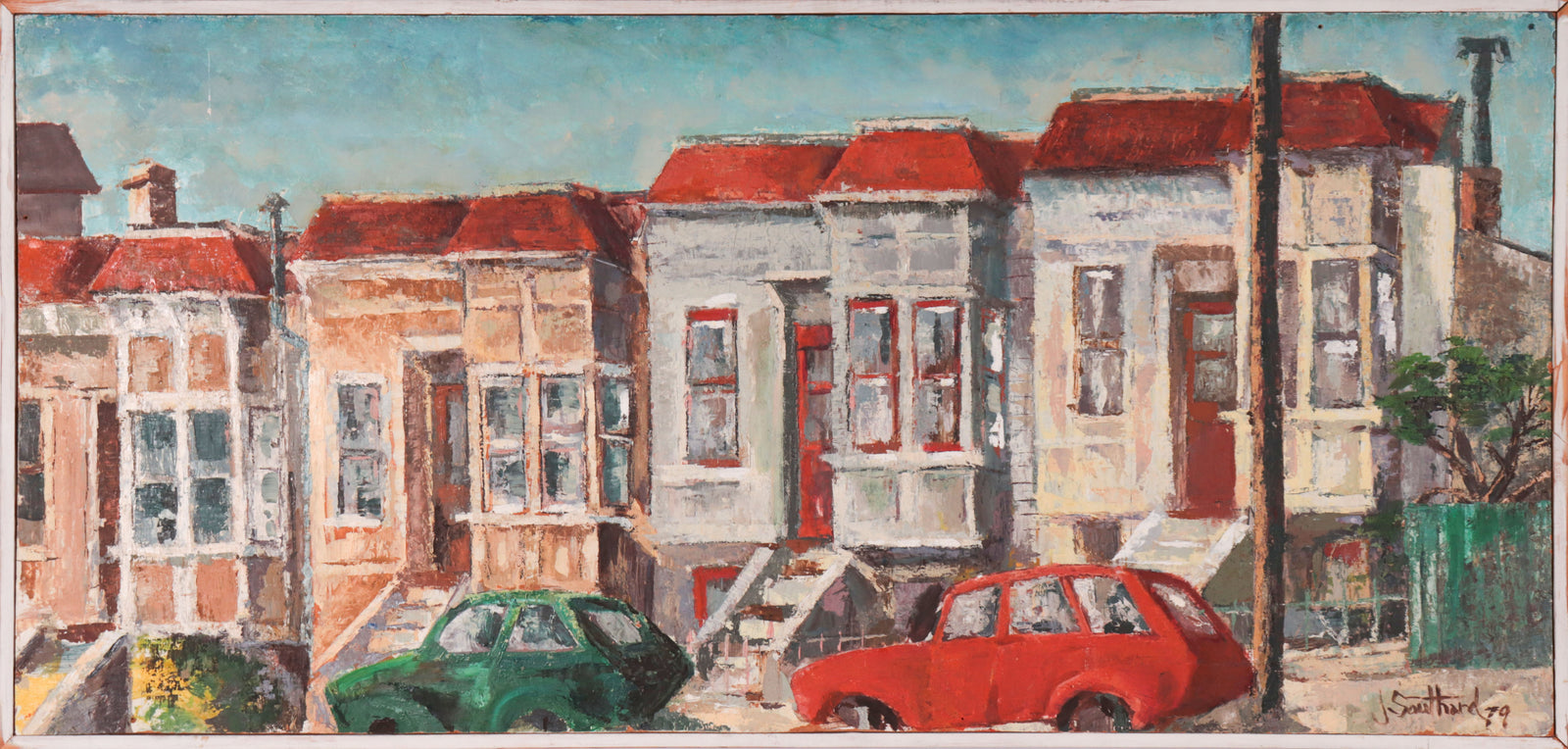
Southard relocated to San Francisco in the 1950s, drawn in part by the coastal climate, which offered relief from his severely debilitating allergies. Many of his friends and fellow artists from New York and the Art Students League had also settled in the Bay Area, providing a welcoming artistic community. Although he would spend decades in California, Southard always considered himself a New Yorker, retaining a lifelong affection for the city.
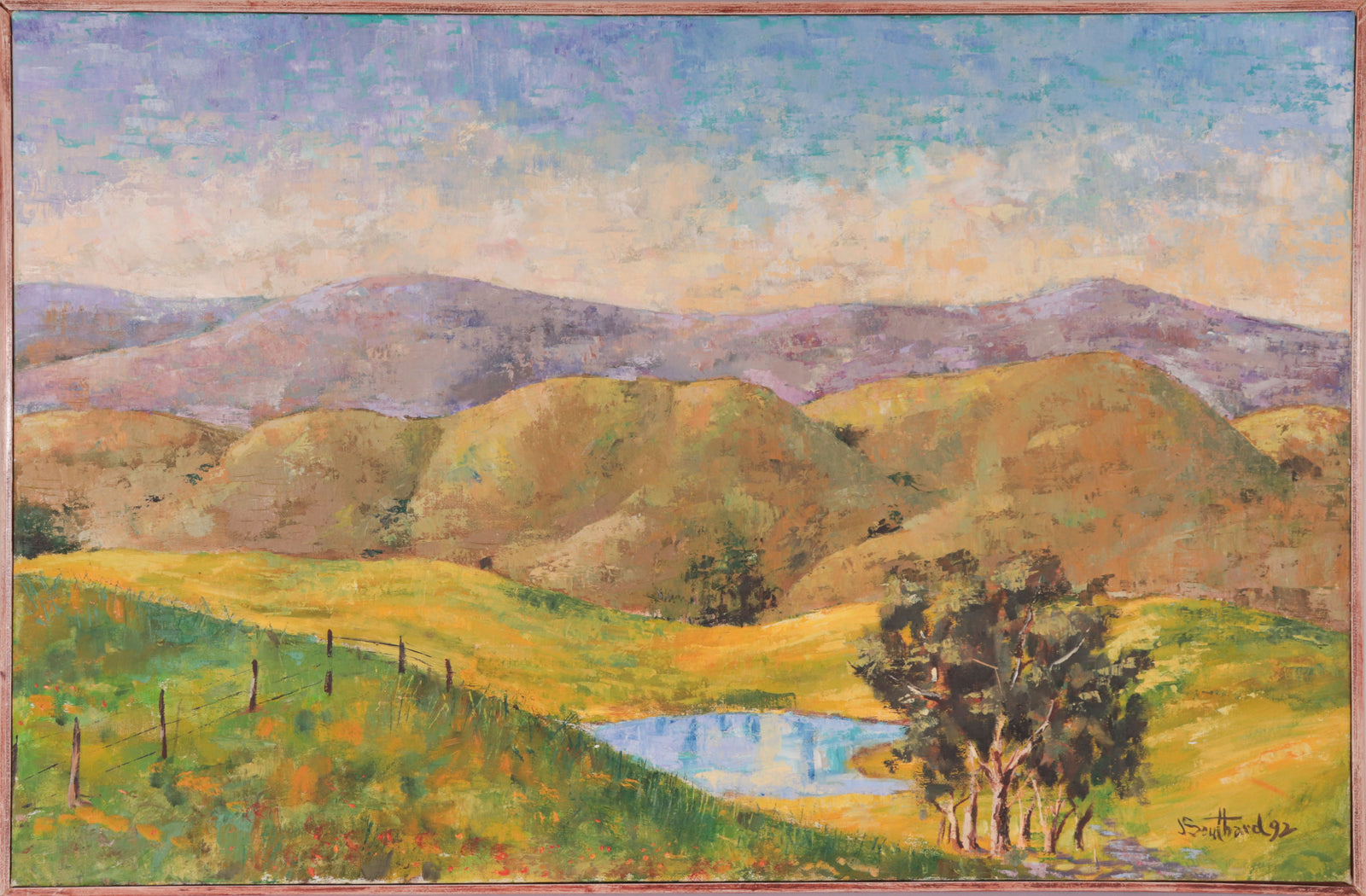
The Northern California landscape became a defining subject of his mature work. An enthusiastic ocean swimmer and beach comber, Southard developed an intimate relationship with the coastline, often painting outdoors to capture its shifting light and atmosphere. His subjects included beaches, parks, picnics, forests, boats, and quiet moments of everyday life. Figures gathered along the shore or relaxing beneath trees recall the carefully orchestrated compositions of Renaissance and Baroque painting, particularly the exuberant figural arrangements of Rubens. Yet Southard brought these classical ideas into a distinctly modern setting, much as Pierre-Auguste Renoir and the other Impressionists had.
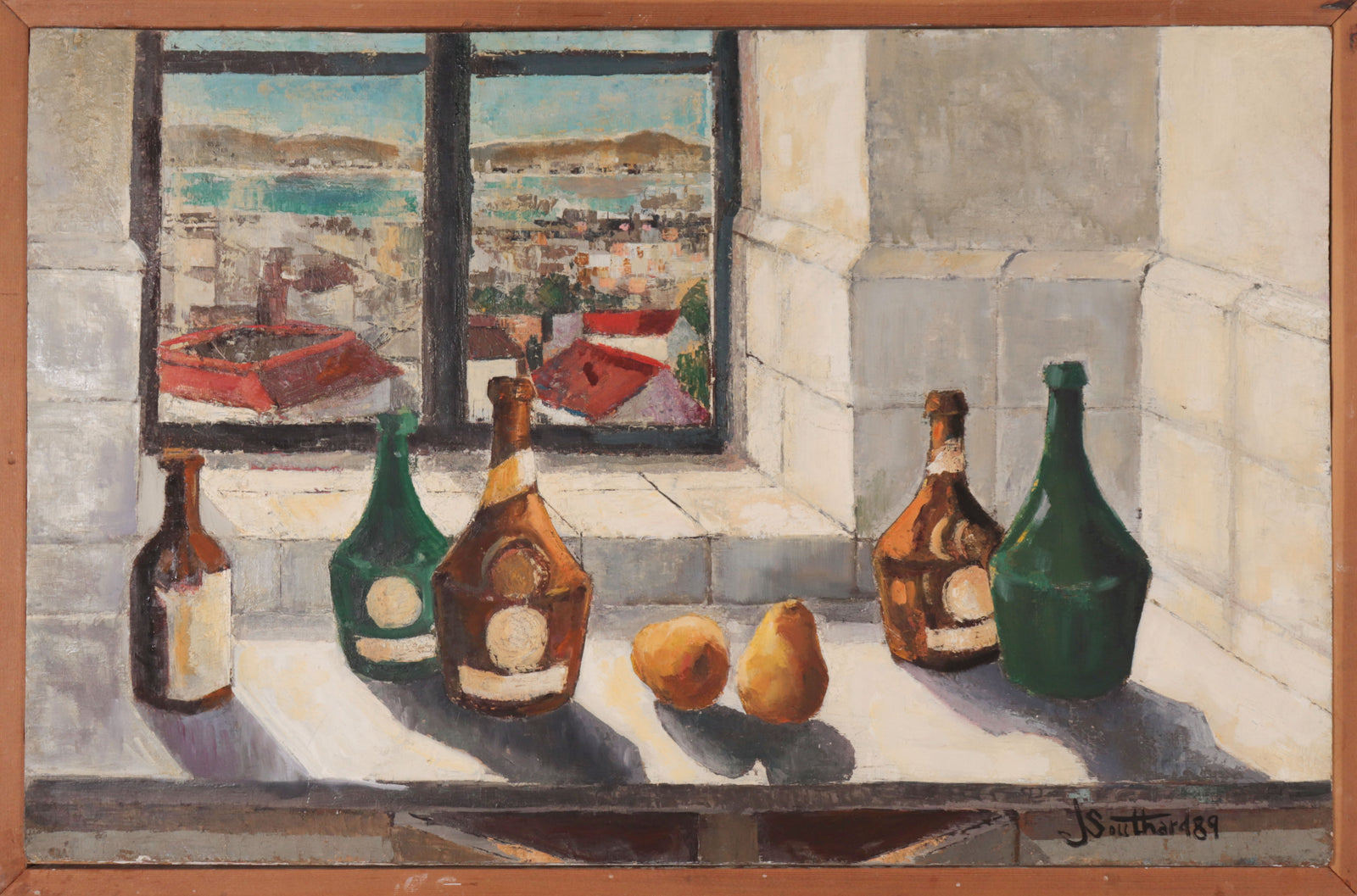
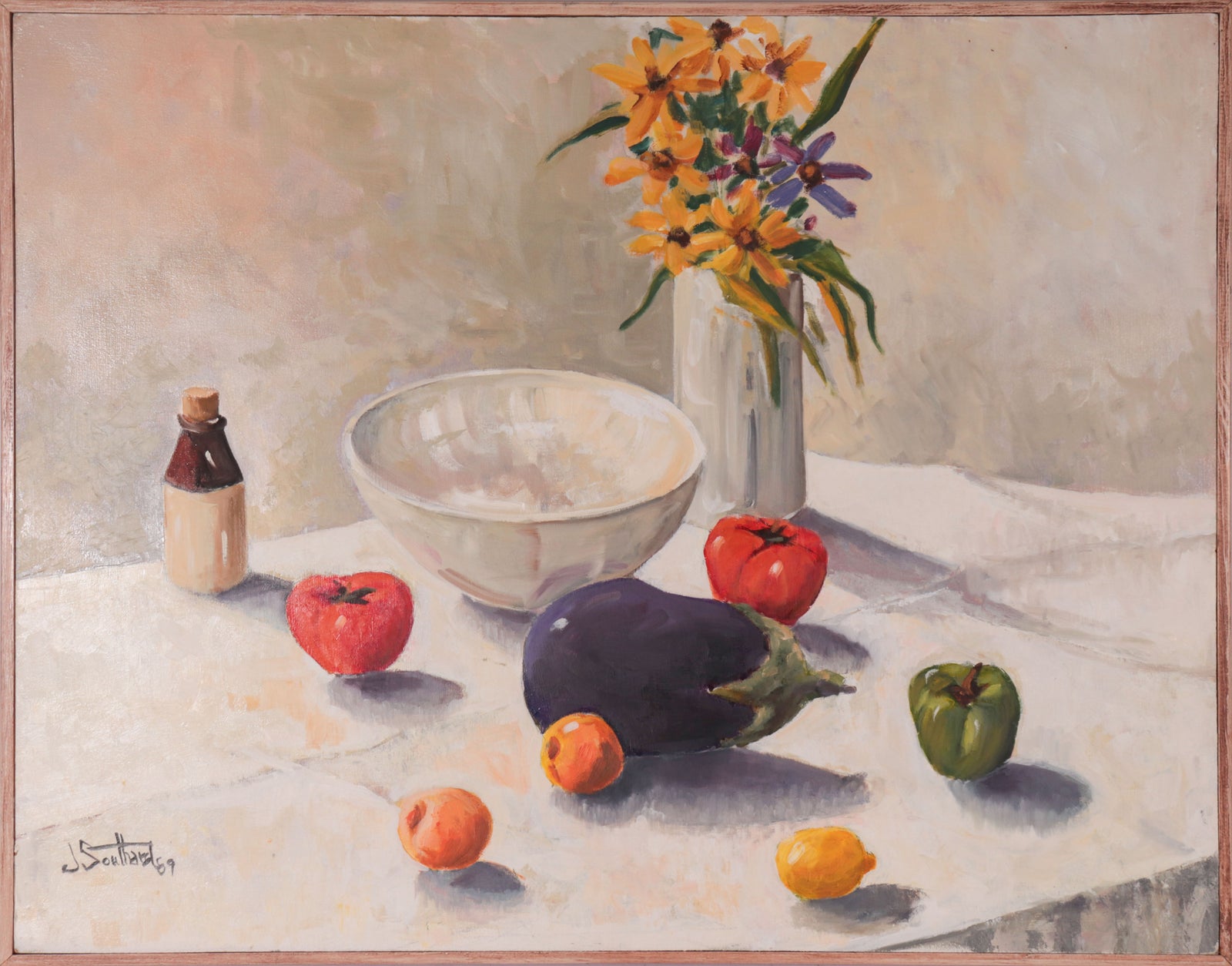
As his work matured, Southard moved increasingly toward an Impressionist sensibility, making light the unifying element of his artistic vision. His fascination with Cézanne is particularly evident in the way he used color to establish the weight, volume, and solidity of figures within the landscape. Like Cézanne, he sought to reconcile the fleeting impressions of nature with an underlying sense of structure and permanence. Whether painting the Hudson Valley, Mexico, or the California coast, Southard explored how changing light could transform both the appearance and emotional character of a place. His paintings and watercolors from the 1960s through the 1990s offer a particularly evocative portrait of California life during those decades.
A consummate technician, Southard possessed a profound appreciation for the materials and craftsmanship of artmaking. Working in egg tempera, oil, watercolor, and printmaking, he frequently prepared his own paints, constructed frames, and created hand-gilded finishes. An accomplished printmaker, he also worked with a homemade intaglio press built for him by a machinist in his extended family. Having grown up during the Great Depression, Southard maintained a resourceful approach to materials, often bringing home discarded inks and papers from the lithography shop where he worked for many years. For him, the preparation of materials and the physical craft of making art were inseparable from the creative process.
Southard’s interests extended far beyond painting to chamber music, folk music, opera, history, science fiction, Japanese woodblock prints, and even the Beatles. In many respects, he embodied the spirit of a Renaissance man, bringing intellectual curiosity and a broad appreciation for culture to his artistic life.
Southard exhibited extensively in invitational exhibitions and was represented by San Francisco's Maxwell Gallery and other galleries during the 1970s through the 1990s. He was active in the Bay Area arts community through organizations including Artists Equity, where he served as an officer, and the Graphic Arts Workshop. His work is represented in numerous public and private collections, including the Achenbach Foundation for Graphic Arts at the Fine Arts Museums of San Francisco, the UCSF Chancellor's Collection, the San Francisco Art Commission, the Legion of Honor, the Yonkers Art Museum, the Hudson River Museum, and the Carnegie Art Museum.
Our sincere gratitude goes to James Bruce Southard's daughter, Pat, for sharing her father's artwork, personal history, and artistic legacy with Lost Art Salon. Through her care and dedication, this remarkable body of work has been preserved, and we are honored to help introduce his paintings to new generations of collectors.